

Months in. You've tried everything. And your injury still isn't fixed?
Precision Recovery Medicine.
Doctor-led, non-surgical treatment for injury and muscle recovery. We work on the biology of how your body heals, not just the symptoms you've been managing.
- AHPRA-registered doctors
- No lock-in, no obligation





It's been months, and you're still managing it. You might not have to.

01 / 03
“I've stopped trying to fix it. I just train around it now.”
Managing it and resolving it were never the same thing. You've built your training around a problem that's still there.


If any of this sounds like you, you're in the right place. Check your eligibility
What actually happens
Your body doesn't just heal an injury. It runs a repair cascade.
The moment tissue tears, a months-long rebuild begins: clear the damage, lay down new fibres, remodel them back to full strength.
But it runs on almost nothing
Tendons and ligaments barely get any blood, even at the best of times.
It's how they're built: far less blood supply than muscle, even when healthy. So they run that repair cascade on a trickle, making them among the slowest tissues in the body to mend, and the most likely to stall part-way.
So it never finishes
A stubborn injury isn't bad luck. It's a repair that stalled.
The rebuild stopped part-finished and settled into a low-grade holding pattern, one that can sit there for months, or years, without ever resolving.
Everything you've already tried treated the symptom. We go after what's actually driving it.
Whether it's a tendon, muscle, ligament or wound that's slow to close, your doctor's clinical approach focuses on three areas.
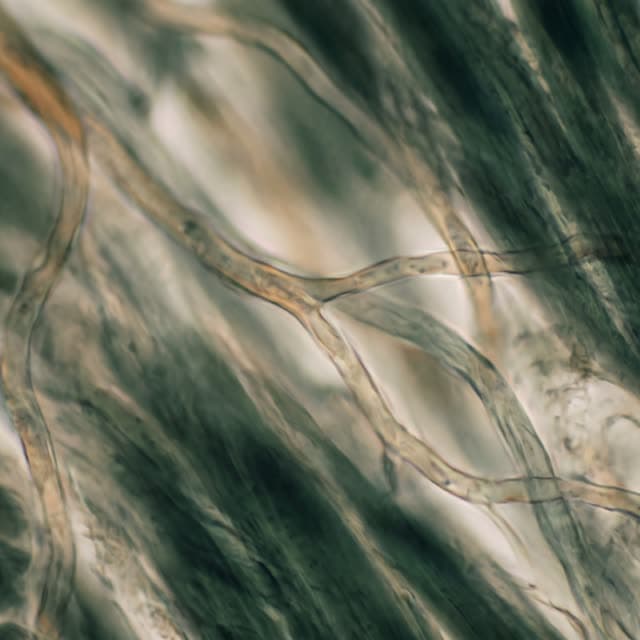
Blood supply to the injury.
It starts with perfusion: getting oxygen and nutrients to the tissue that needs them. Poorly supplied tissue can't fuel a repair, so we work on getting the supply line flowing.
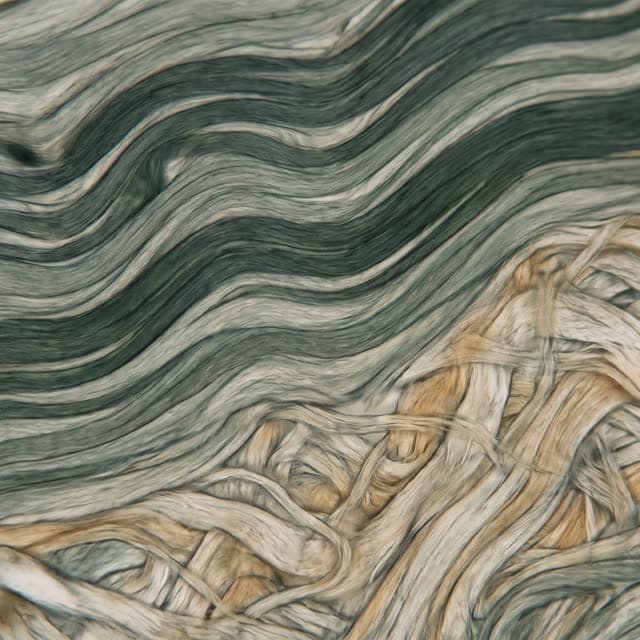
The collagen that rebuilds tissue.
Repair means laying down fresh collagen and aligning it into strong, load-bearing tissue. Where that build has stalled part-way, we work on getting it moving again.
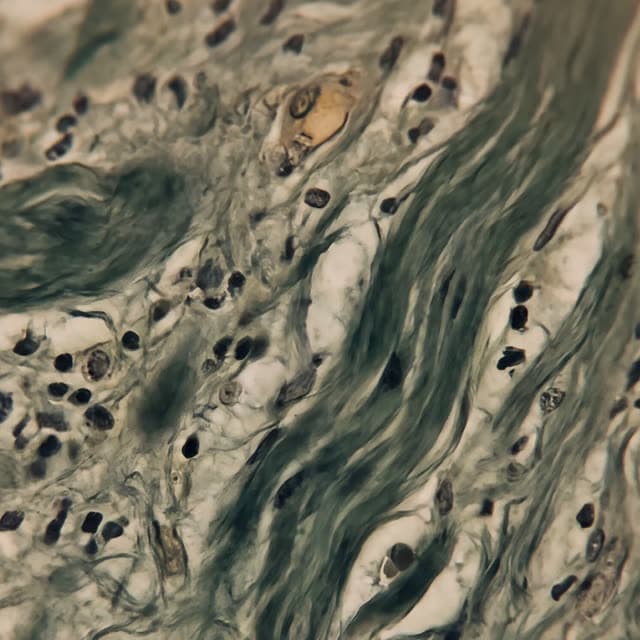
Inflammation that won't budge.
The chronic, low-grade inflammation that holds tissue in a repair-blocking state. We work on resolving it so the body can move out of damage mode and finish healing.
Three layers, all built from your own blood results.
Not a protocol you get slotted into. A doctor reads your results, then assembles a plan for you out of three parts.
01
Precision-targeted supplements
Practitioner-grade and compounded supplements based on your blood results. Aimed at the systems your results point to, not an off-the-shelf guess at what might be missing.
02
Prescription medication, where it's clinically indicated†
Chosen from your results by your doctor. Unbranded, and made for you at a regulated Australian pharmacy, to Australian standards.
03
Essential lifestyle and practical guidance
The specific changes that make the rest of it hold. Written into your plan against what your results show, not handed to you as a leaflet.
How you get there
Get your bloods done locally.
Your pathology is included in the price. Fifteen minutes at a centre near you, then we review your results before you meet your doctor.
Meet your doctor.
A 15-minute video consultation with an AHPRA-registered doctor, going through your results and your recommended treatment.
Your plan lives in your portal.
All three layers in one place, where you manage your medications and supplements yourself. They're shipped to your door.
No single layer is the difference. The difference is that all three are assembled for you, from your data, by a doctor.
Starts with a short eligibility check.
† Why we can't name medications here. Australian Therapeutic Goods regulations don't allow prescription medicines to be named publicly. You'll talk through your options with your doctor, once they've seen your results.
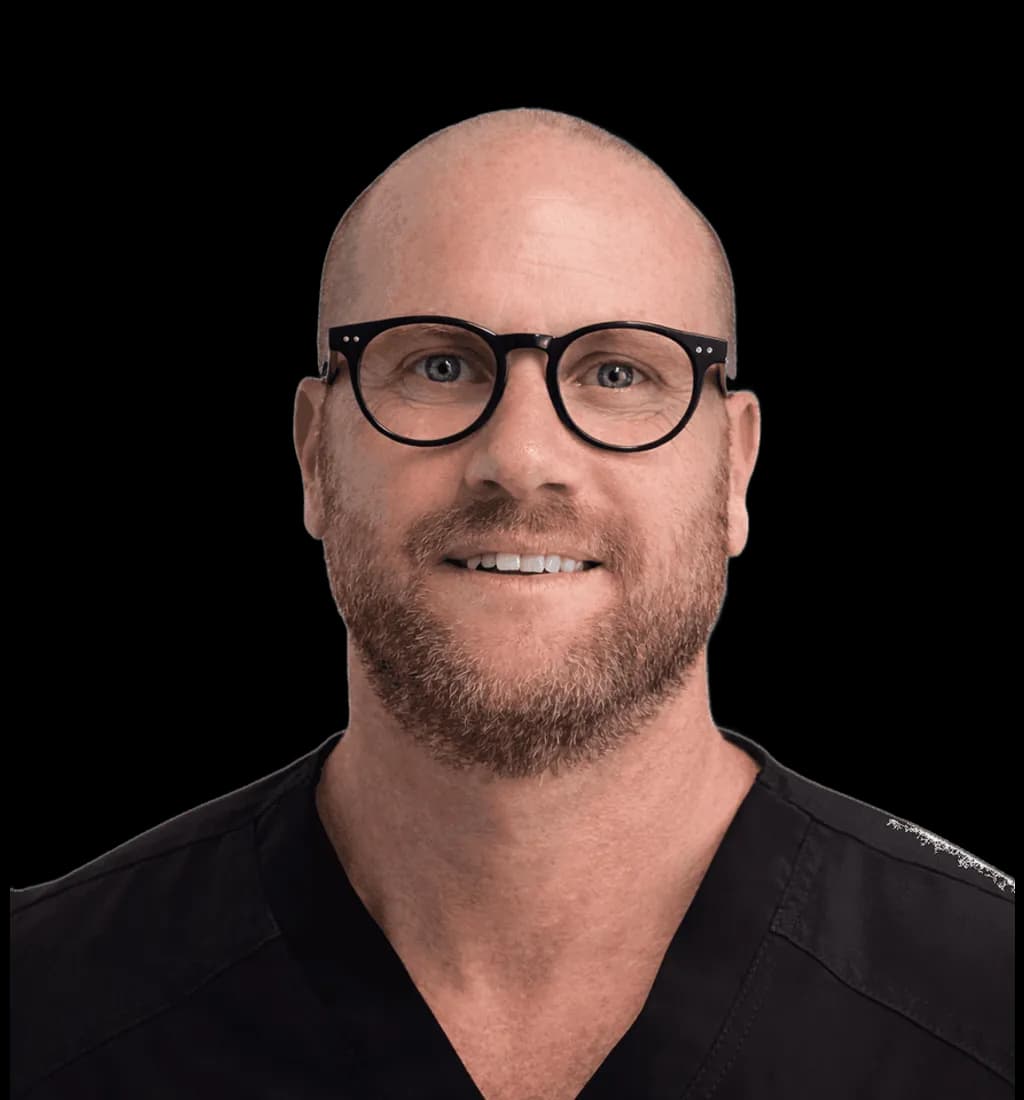
Dr Simon Jones designed this programme.
Simon created VitalYOU's recovery programme: the bloods it looks at, and the clinical logic behind it. His background is emergency and retrieval medicine, the sharp end of injury, with a focus on how the body recovers.
Your consult is with one of our AHPRA-registered doctors, who makes their own clinical decisions about your care.
Protocol architect · VitalYOU · BSc (Neuroscience), MBBS, MRCS, FACEM
Two ways to start, one goal: your recovery.
For most people
Your recovery plan.
$195
A precision 47-marker blood panel, focused on your recovery.
A 15-minute consult with an AHPRA-registered doctor who arrives prepared.
Your plan: lifestyle, supplements, and prescription treatment where it's clinically appropriate.
Medication and supplements are an additional cost.
For deeper answers
A full investigation.
$995
A deeper investigation into what's affecting your recovery: 80+ biomarkers across six biological systems, in a single panel.
One doctor reviews everything before an extended telehealth consultation.
A clinical report and plan built on what they find. No hidden fees.
Got Questions?
We have the answers
Why do I need bloods for an injury?
+We're not testing the injury itself. We're looking at the things around it that affect healing. The bloods do two jobs: safety, so your doctor knows their recommendation is right for your body; and checking for things like ongoing inflammation that affect recovery and don't show up on a scan.
How is this different from the physio or specialist I've seen?
+Physio, rehab and imaging deal with the mechanical side: load, movement, structure. This looks at the biological side, what your bloods show about how your body is recovering. A doctor reviews your results and history and builds a plan around what they find. It's meant to work alongside the care you've had, not replace it.
Will this work for my injury, and what if I'm not a good fit?
+It depends on what's driving your situation. This is suited to soft-tissue and connective-tissue recovery that has stalled, where something biological may be affecting healing. What it doesn't do is fix a structural problem, the kind a surgeon has to physically repair, like a fully ruptured tendon or ligament, or a displaced fracture. If that's your injury, this doesn't replace the operation. It can still have a place around one, though: rebuilding well after surgery is exactly the kind of recovery your doctor can build a plan for. The intake asks a few questions up front so you can find out whether it's a fit before you pay.
Not sure? Get in touch with the teamIs this instead of surgery?
+Sometimes it means surgery can wait, or turns out not to be needed. But it isn't a replacement for surgery where surgery is genuinely what you need. The intake is designed to flag that before you pay.
What will the doctor actually prescribe?
+Australian therapeutic goods rules don't allow prescription medicines to be named publicly, and we won't work around that. What we can say: your plan is built from lifestyle changes, precision supplements, and prescription treatment where it's clinically appropriate, compounded for you at a regulated Australian pharmacy. You'll talk through the specific options with your doctor in your consultation.
Do I need a GP referral, and how does it actually work?
+No referral needed, you can start directly. After you book, you will receive your pathology request form, you get your bloods done at a collection centre near you in about fifteen minutes, and your consult happens by telehealth, wherever you are in Australia.
Is the $195 all I pay, or does it keep going?
+The $195 is a one-off: the assessment and consultation, with nothing you're locked into. If your doctor recommends a treatment plan after seeing your results, that's a separate decision you make with the full picture in front of you, priced separately. You won't be auto-charged for anything.
Does Medicare or private health cover any of this?
+No, this is a private service, and there's no Medicare rebate on the assessment. Everything you pay is shown before you pay it: the $195 covers the panel and your consultation, and any treatment your doctor recommends is priced separately before you decide anything.
How long until I know if it's working?
+Honestly, it varies, and we'd rather say that than give you a number we can't stand behind. Some people notice a change within a few weeks. For others it takes a few months. And for some it doesn't turn things around, usually where the problem isn't purely soft tissue, which isn't always easy to establish at the start. Your doctor will be straight with you about what your results suggest and whether this is likely to help.
Stop managing the injury. Start treating why it won't heal.
A two-minute check makes sure this is right for you before you pay for anything.